Month / September 2005
-
eHub blogged by Seth Godin
In his blog post today, Seth Godin, author and agent of change, writes about “that feeling of the impending rush” with the rapidly changing web. “The web is changing, and so fast…
-
Sites Linking to eHub
(Updated 9/30) Global traffic to eHub is still growing (hello, Cyprus!), email submissions come in every day from web 2.0 creators, eHub’s RSS feed is getting over 300 900 readers and 2000…
-
![]()
Camera Phone Photos
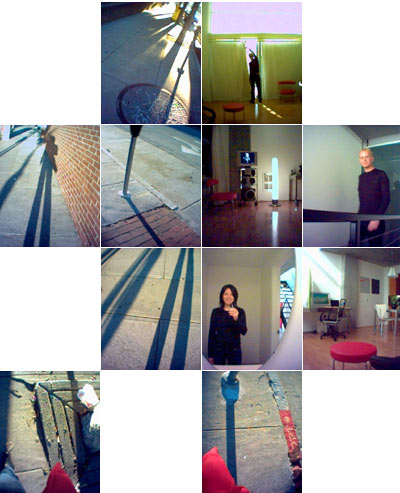
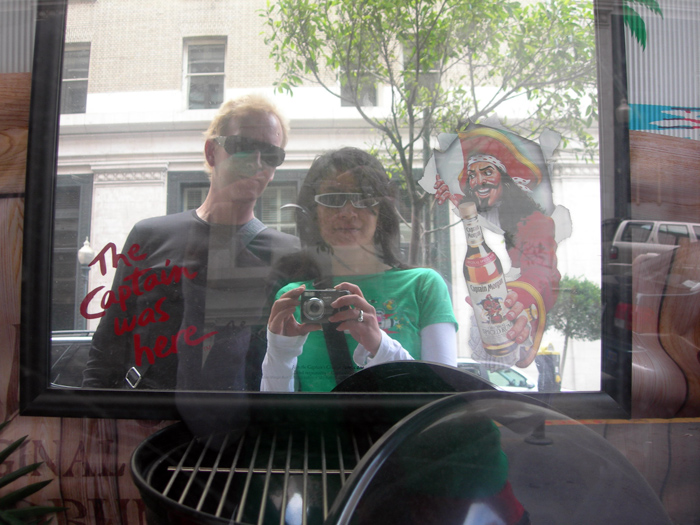
Found these camera phone pictures on my T610 taken sometime last February.
-
Netvibes on My Screen
I had gotten an email from the Netvibes team to take a look at the site last week and signed up and took a quick spin around. I finally had a chance…
-
eHub in The Social Software Weblog
Barb Dybwad from The Social Sofware Weblog writes about eHub in her post, eHub and wsFinder: Web 2.0 applications and web services.
-
Google Visitor Map Zooms
There have been some excellent examples of Google map applications recently like Plazes, which allows you to discover locations and find people by proximity or location, and Mappr, where you can view…
-
Emily Chang’s eHub cited by Stowe Boyd in Corante
In today’s Get Real column at Corante, Stowe Boyd, President/COO of Corante, the world’s first blog media company, writes about discovering new web apps at eHub, a new resource by co-founder and…
-
Emily Chang’s eHub Ranked in Del.icio.us and Blogged Around the World
Emily Chang’s eHub web 2.0 software resource has risen to the delicious popular page since Tuesday, Sept 13 with over 400 bookmarks, has been blogged and linked by bloggers in the United…
-
eHub Web 2.0 Software Resource Launches
Emily Chang launches eHub, a constantly updated list of web applications, services, resources, blogs or sites with a focus on next generation web (web 2.0), social software, blogging, Ajax, Ruby on Rails,…
-
iPod nano
For a real-world and hilarious account of Apple’s big pitch for the nano and the iTunes phone at the Moscone here in SF last week, read Nicole Lee‘s post at Metroblogging SF,…
-
eHub: Ajax, Ruby, Web 2.0 resource list
eHub is a constantly updated list of web applications, services, resources, blogs or sites with a focus on next generation web (web 2.0), social software, blogging, Ajax, location mapping, open source, folksonomy,…
-
Tagging Yourself and Others
Like a lot of web people these days, I’ve been actively tagging my “stuff” in del.icio.us, Flickr, rojo, BlinkList, and Technorati. The more I tag both the content that I produce (blog…
-
Info-bits in Flux
In a recent blog post at O’Reilly, Giles Turnbull writes, “A while ago, I thought I’d try an experiment: could I organise all my work, all my personal stuff, all my writing,…
-
AJAX, Ruby on Rails, Beta, Tagging, Ping Me T-shirts
Looking for a cool web t-shirt and want to help the cause? Get your ajax, ruby on rails, ping me, tagging, beta, design is strategy t-shirts today. All proceeds will go to…
-
Tag This
Yesterday I wrote about the need for more integrated tools to organize the various bits of information that we need, use, and collect in our daily digital lives, both online and offline,…
-
EmilyChang.com Launches
Emily Chang launches her namesake domain after many years of blogging and artmaking under the pseudonym artcodes (1996 – present). Emily will shift her writing about web and interactive design, technology trends…
-
EmilyChang.com Launches
I’ve been keeping my life online at artcodes.com for a long time now, but I’ve decided to return artcodes to its roots as a place for my art experiments and personal life.…
-
Crisis in New Orleans
Here you are, like me, online. Probably in the comfort of your own environment, listening to your favorite music, a warm summer night – surfing the web. Everything’s normal. But no farther…